
The part of your pool you'll never see, and the part that matters most.
Once Kelly's design is drawn, the engineering starts: sizing the hydraulic system that moves your water, building the shotcrete shell that holds it for decades, and wiring the automation that runs it every day. None of it shows up in a photo. All of it decides whether your pool still performs the way it should in twenty years.
Bruce Todd, Owner, Atlantis Pools & Spas. Genesis School of Design Associate. 30+ years of custom pool design.
A rendering shows you the shape. It doesn't show you the plumbing that keeps a vanishing edge from starving its pump, the steel and shotcrete that carry the load of the water and the soil around it, or the controls that coordinate the equipment and features. Bruce has been building for more than thirty years, and the pools that hold up are the ones where the engineering got the same attention as the design. That is the part of the job he owns.
What happens when the engineering gets treated as an afterthought.
Most pool problems that show up years later trace back to engineering decisions made too fast at the start: a shell poured without accounting for the soil under it, a hydraulic system undersized for the features it has to run, or automation bolted on instead of designed in. Georgia's red clay and sloped lots make the margin for error smaller here than in most markets.
That evaluation starts at the site visit, not after the contract is signed. Where the site conditions or structural scope call for outside testing or engineering, that requirement is confirmed before the structural design is finalized. It is a project-specific decision based on the property and the final design.
The three systems that decide whether your pool performs for decades.
Every Atlantis pool is engineered in three layers: the hydraulic system that moves and filters the water, the shotcrete structure that holds it, and the automation that runs both. Each layer is sized and built to the specific design, the specific site, and the specific features, not to a standard template.
How do you make sure the water actually moves the way the design intends?
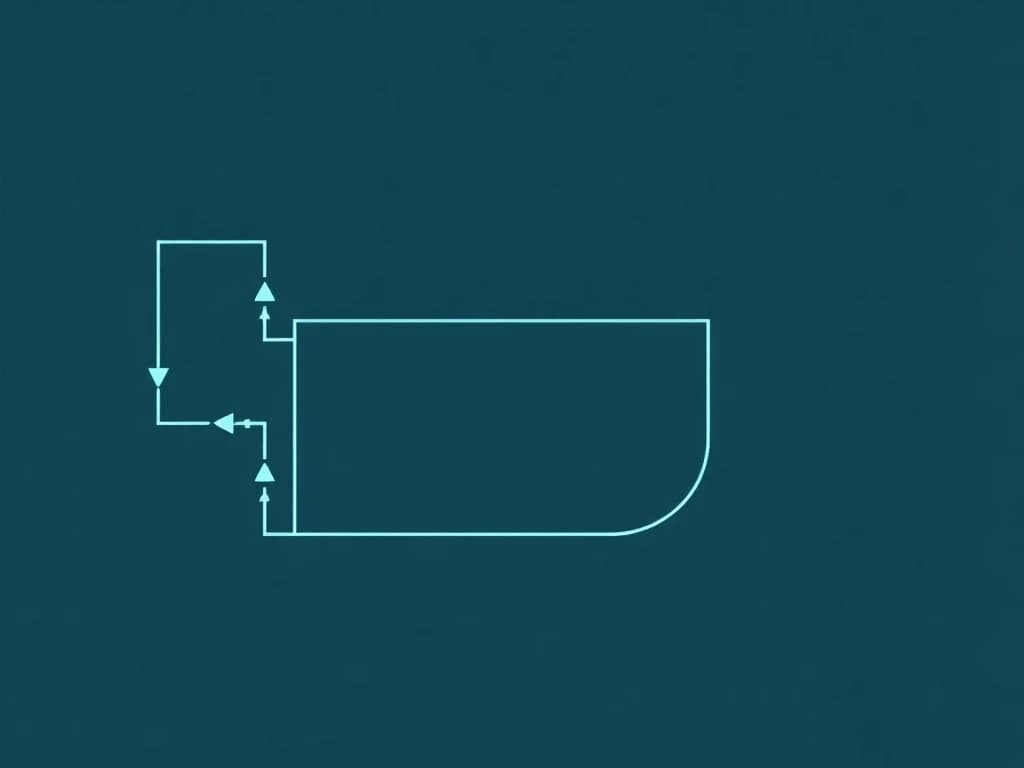
We size the plumbing, the pump, and the filtration to the specific features in your design, a vanishing edge, a spillway, a sun shelf with bubblers, before a single pipe goes in the ground, because a hydraulic system sized for a generic pool won't run a custom one correctly. A vanishing edge needs a properly sized catch basin and return line or it starves the effect, and a spillway needs enough flow to look and sound right without over-pumping the system. We work backward from what the design calls for, feature by feature, to the pipe sizing, pump selection, and filtration capacity that delivers it.
What actually holds a pool's shape and weight for the next thirty years?
The shell is steel-reinforced shotcrete, engineered to the soil, grade, and slope found at your site visit, and it's the one part of the build we guarantee for life: a lifetime structural guarantee we can only make because the engineering is done right the first time, on every project, not just the ones where something could go wrong. We don't build the same shell on a flat lot in Woodstock that we'd build on a steep grade in Roswell; the land tells us what the structure has to do. When it mattered: The Batchelor project in Roswell is the clearest example: a massive lot with real elevation change meant the structural engineering had to answer the grade before the pool, the pavilion, the fireplace, and the outdoor kitchen could be sited around it.
How much of running a custom pool is actually automated?
The control system is selected and programmed around the equipment and features in the final design. The exact platform and level of remote or app-based control depend on the equipment package confirmed for the project.
What Genesis-level training actually changes about how a pool gets engineered.
Genesis training covers the engineering side of pool building, not just the design side. PHTA's public program description places the curriculum in structural engineering, hydraulic design, and construction standards. Both Bruce and Kelly are Genesis-trained, which means the structural and hydraulic decisions on your project get made by people trained specifically in how to make them.
Most pool companies in this market have one, or no, Genesis-trained designer. Atlantis has two. Bruce is a Genesis School of Design Associate with thirty years of hands-on building behind it. Kelly is a Genesis School Associate and a Certified Pool Builder.
Questions buyers ask about pool engineering.
What's the difference between gunite and shotcrete?
Shotcrete is the general term for concrete sprayed into place. Gunite is the dry-mix form of shotcrete: water is added at the nozzle. With wet-mix shotcrete, water is mixed into the concrete before it reaches the nozzle. The terms describe application methods; neither name alone tells you how well a pool shell is designed or built.
Do you always bring in a geotechnical engineer?
Not every project needs outside testing or engineering. If the property or structural scope calls for it, that requirement is confirmed before the structural design is finalized.
How long is the shotcrete structure guaranteed?
For life. Every Atlantis shotcrete structure carries a lifetime structural guarantee, and the pebble finish over it is also guaranteed for life. Equipment carries a three-year Hayward warranty, and lighting carries four years.
What equipment brand do you install?
Hayward, across filtration, pumps, sanitation, and lighting, backed by a three-year Hayward warranty on the equipment itself.
Does Georgia's clay soil actually change how my pool gets built?
Yes. Red clay in this region expands and contracts more than stable soils elsewhere, and slope is common across our service area. Both get evaluated at your site visit, and the structural engineering responds to what your specific property is doing, not to a standard assumption.
What happens if the site analysis finds a structural challenge after design has started?
The design is adjusted around the condition, and any outside review the project requires is confirmed before the structural design is finalized and construction starts.
Who actually engineers my pool, not just designs it?
Bruce, alongside Kelly where the design and structural decisions intersect. Both are Genesis-trained, and structural and hydraulic engineering is Bruce's specific discipline on every project.
Request a complimentary site visit.
The engineering on your pool starts with what your property actually tells us. The first site visit is free, and it's where the soil, the grade, and the features you're picturing all start to become a real plan, the kind that holds up in the ground and in the water for decades.