
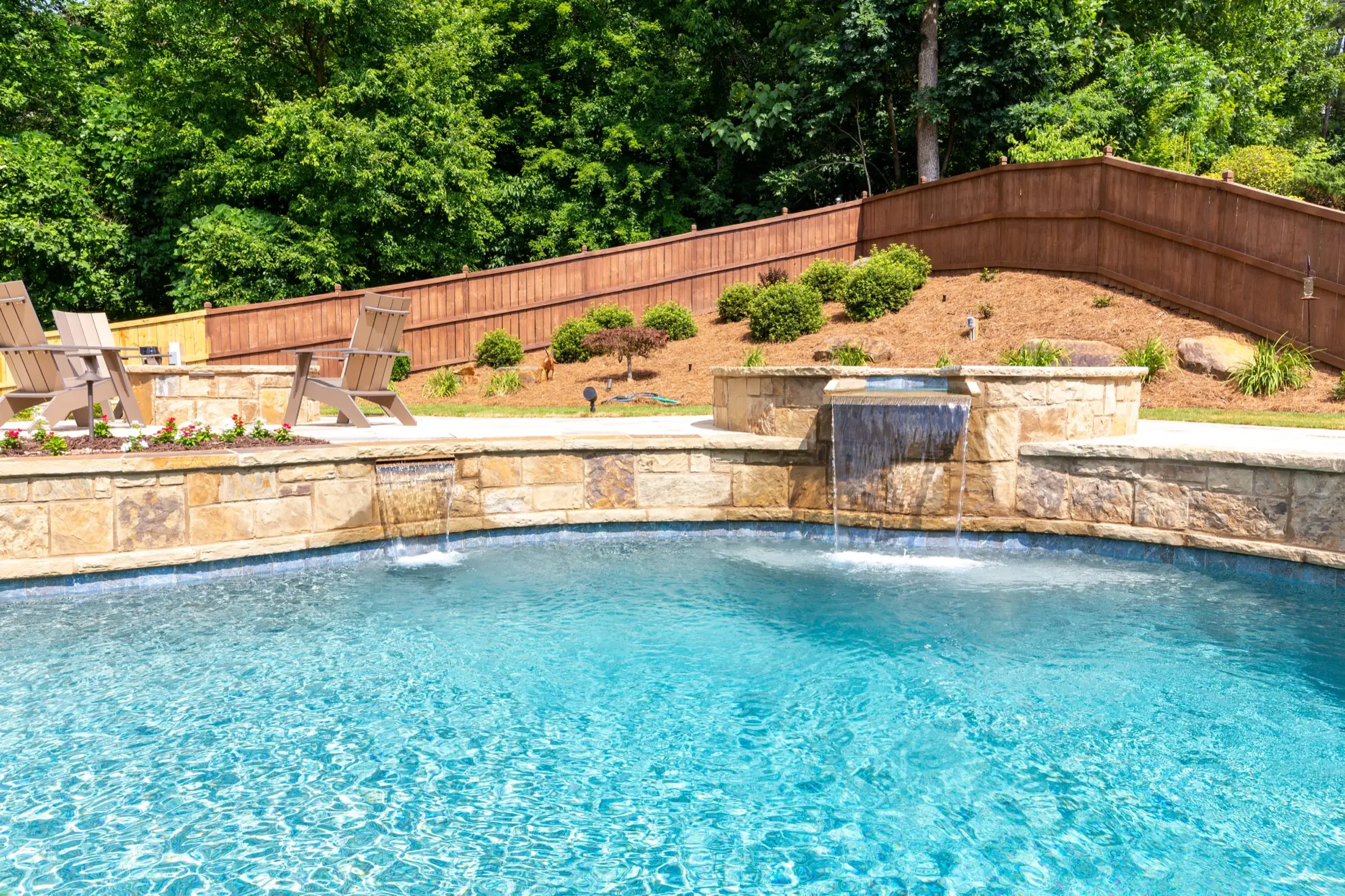
Gunite or fiberglass. Which one fits your backyard.
Fiberglass is a factory-made shell, so its shape and size come from a manufacturer's lineup. Gunite is concrete sprayed on your site, so the pool can follow your grade, your house and the spa or edge you want. On a flat yard with easy access, fiberglass can make sense. On a sloped or custom yard, concrete is often the better fit.
Kelly Jennings, Designer & Project Manager, Atlantis Pools & Spas. Genesis School Associate. Certified Pool Builder. Multiple PHTA Design Awards. 22+ years.
What is the actual difference between gunite and fiberglass.
A fiberglass pool is a one-piece shell made in a factory, brought to your house and set into a hole dug to fit it. A gunite pool is built where it sits. We dig the shape, set a cage of steel and spray concrete over the steel to form the shell, right there in your yard.
Most of what follows on this page comes back to that one difference. A factory shell is chosen. A concrete shell is designed, so its shape, depth and size start from your lot and the way you want to use the backyard.
It is also hands-on work. A crew stands in your yard and builds the shell one stage at a time. Our construction page walks through every stage in order.
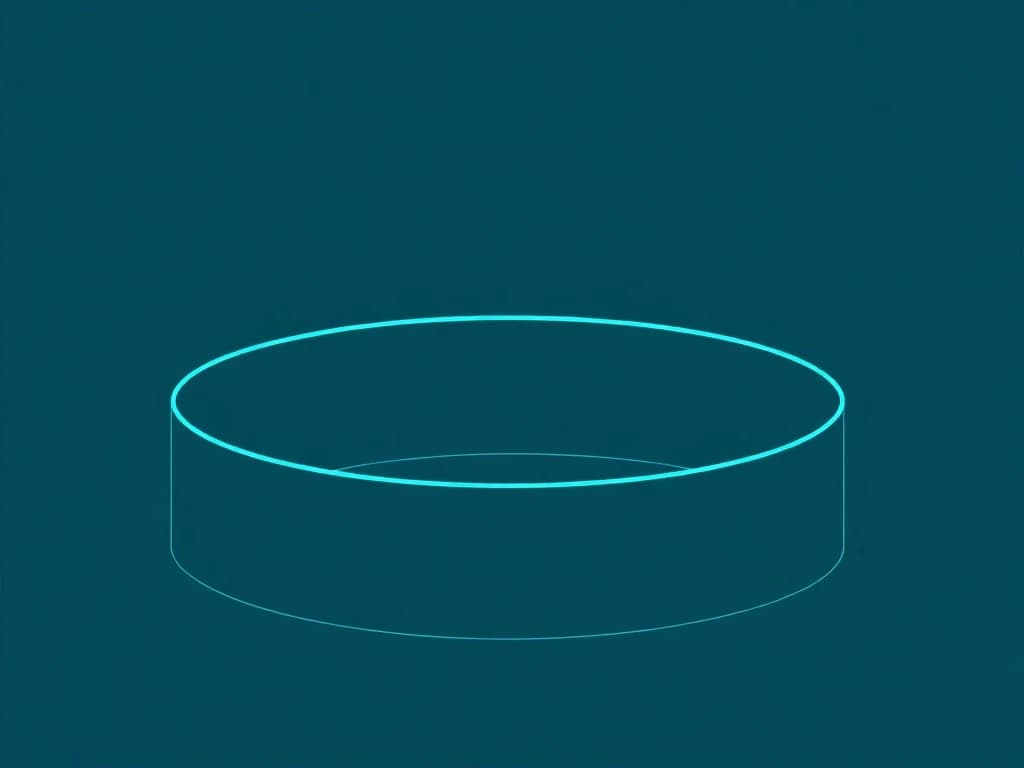
Are gunite and shotcrete different things.
Less than the names suggest. Gunite is dry-mix shotcrete, and wet-mix is the other way to place it. The American Shotcrete Association describes the two as different processes and does not rank either one as better for every job.
When does a fiberglass pool make sense.
When the pool you want already exists in a manufacturer's lineup and your yard can take it. A mostly flat lot, a clear way in for a finished shell and a simple pool with no built-in spa or edge is where fiberglass is a sensible choice.
If the right pool for your yard is a standard shape at a standard size, a factory shell may be all your backyard needs.
When does a custom concrete pool fit better.
When the pool has to follow something a catalog can't know about: the fall of your lot, the line of your house, a raised spa spilling into the pool, a vanishing edge, a tanning ledge or a size that isn't on anyone's list. Concrete is formed to the design, so the design can start from the yard.
Batchelor in Roswell came with major elevation challenges. The pool there is an oversized linear shotcrete pool with an automatic cover, designed together with a pool house pavilion, a fireplace, an outdoor kitchen and a fire pit.
Chadwell, also in Roswell, came to us mid-build, after the family grew unhappy with another contractor. The plan in the ground was small and freeform. We tore it out and rebuilt it as a linear modern pool with a vanishing edge and a pool house.
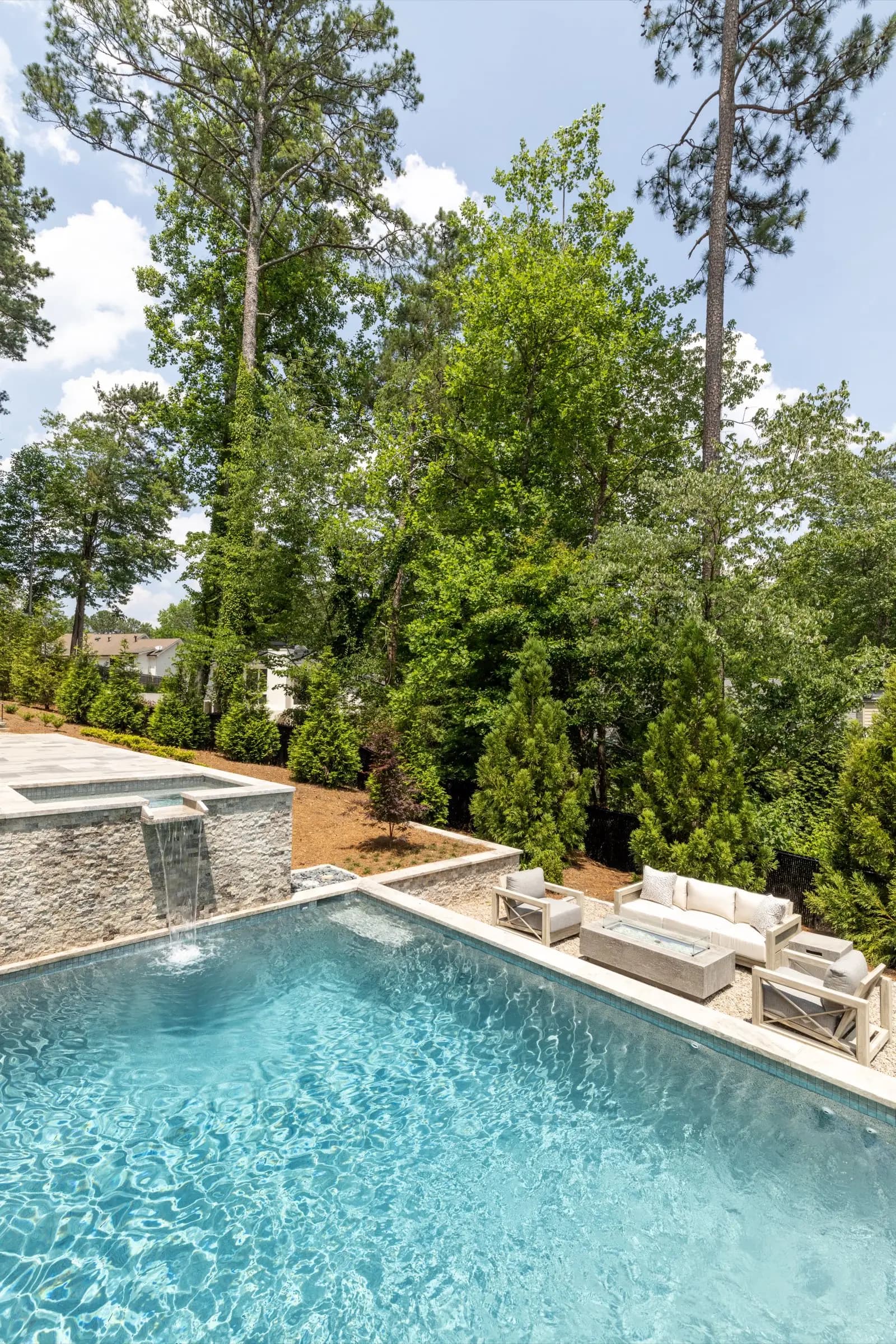
More of this kind of work lives on our vanishing edge and spa pages.
How do they compare, factor by factor.
Here is how the two compare on the points homeowners ask us about most. Neither column wins every row. Read each one against your own lot and what you want the backyard to do.
| Factor | Gunite or shotcrete | Fiberglass |
|---|---|---|
| Shape and size | Drawn for your yard. The design and the site set the limits. | Chosen from a manufacturer's lineup of shapes and sizes. |
| Built-in spa, edge or ledge | Formed in the same shell when the design calls for one. | Depends on the model. Ask the manufacturer what that shell offers. |
| Sloped lot | The shell is designed around the grade, with the wall and drainage work the slope needs. | Ask how the builder plans to set a finished shell into your grade. |
| Site access | Built in place, so the pool never travels in one piece. The dig still needs a way in. | The finished shell has to reach the backyard in one piece. |
| Shell installation | Several stages on site: excavation, steel, plumbing rough-in, the sprayed shell, then the finish. | The shell arrives finished and is set in place. |
| Overall schedule | Our construction runs 12 to 14 weeks. | The shell goes in faster. The rest of the project still has to happen. |
| Interior surface and care | Every pool we build gets a pebble finish. Ask us what its care looks like. | Ask the manufacturer for care guidance and warranty terms in writing. |
| Changing it later | A sound shell can be refinished and updated. Bigger changes depend on what the shell can carry. | The shell sets the shape. Ask the manufacturer what can change later. |
Two questions, so Kelly starts with your yard.
Does a faster shell mean a faster pool.
Not by itself. The shell is one stage of a pool. Either way, your yard still needs excavation, plumbing, electrical, decking, a safety barrier and permits. Our construction runs 12 to 14 weeks once permitting clears, and HOA review and permitting often run in parallel.
When you compare schedules between builders, ask for the whole timeline from permit to first swim. The install date for the shell is only one line of it.
How do access and your lot change the choice.
A finished fiberglass shell has to reach your backyard in one piece. A concrete pool is built in place, so the pool itself never has to make that trip. On a tight lot, or one with mature trees you want to keep, that difference can matter. Slope matters too, and our guide to pools on sloped yards covers it.
Mature trees affect where equipment can reach and how close excavation can safely get to the roots. Kelly reads the elevations and setbacks at the free site visit, so the plan starts from what your lot actually allows. Our cost-drivers guide covers how the site moves the number, and the engineering page covers the structure behind the shell.
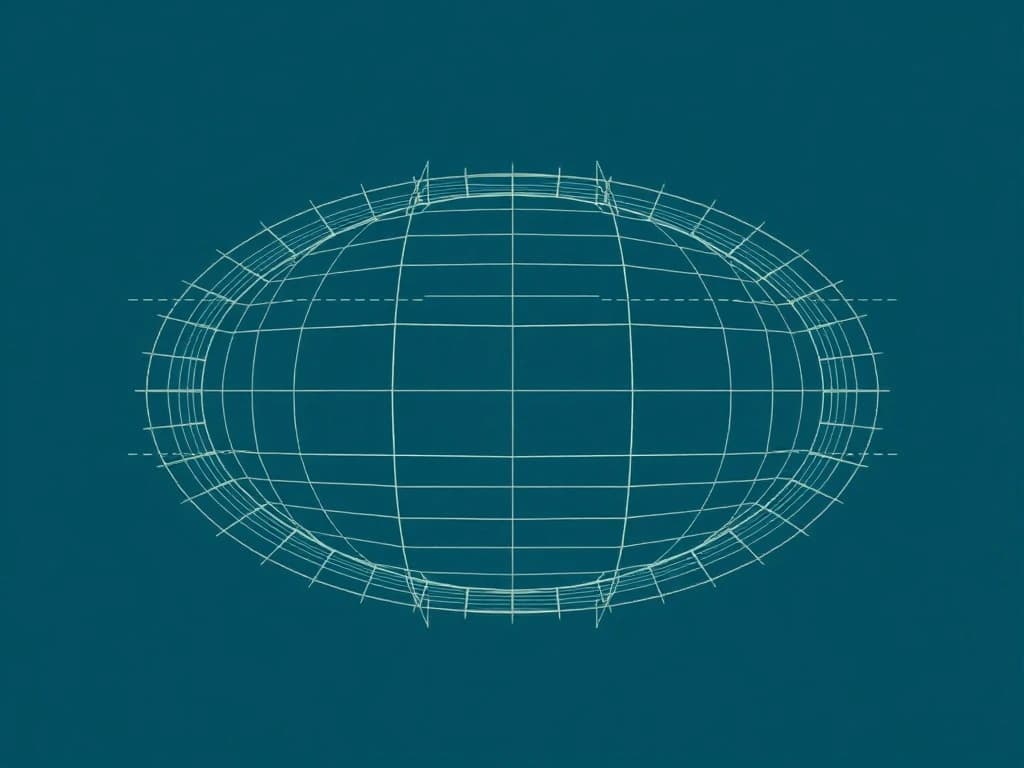
What does each one ask of you as an owner.
Both need regular care, and the details depend on the surface and the product. With us, the shotcrete structure and the pebble finish carry a lifetime guarantee, and your first month of service is included. You can call Kelly or Bruce anytime. For a fiberglass pool, ask the shell manufacturer what the warranty covers.
Claims about chemical use or lifespan depend on the exact product and how the pool is looked after, so ask any builder to back them with written terms. Ours are on our handoff page: three years on Hayward equipment, four on lights and one on workmanship. Our finish comparison covers how pool finishes differ.
What if you already have a fiberglass quote.
Keep it, and ask it the same questions you would ask us. Which exact shell model is it, what sits outside the shell price, and who handles the deck, the barrier, the electrical and the permits? Clear answers to those make two quotes comparable.
Our buyer's guide has the full list of questions to ask any builder.
Frequently asked questions.
Are fiberglass pools better than gunite?
Neither one is better for every yard. Fiberglass suits a standard shape on a lot a finished shell can reach. Concrete suits a pool that has to follow the grade, the house or a built-in spa or edge. Your lot and the design you want decide it.
Is gunite the same as shotcrete?
Gunite is dry-mix shotcrete. Wet-mix is the other way to place it. The American Shotcrete Association describes the two as different processes and does not rank either one as better for every job.
Which is more expensive, gunite or fiberglass?
Scope decides it. Site work, size, a spa or edge, the decking and the rest of the backyard move the number on either kind of pool. A detailed proposal after a site visit is the only fair way to compare.
What are the downsides of a concrete pool?
It takes longer on site, because the shell is built in stages in your yard, and there is more site work around it. The interior finish also needs care over the years, so ask any builder what that care looks like.
Is Georgia red clay a problem for either kind of pool?
Soil matters for any pool, so ask every builder how they plan for yours. Our shells are engineered to the soil and grade found at your site, so the plan starts from what your ground is actually doing.
The lot usually decides. Kelly can tell you standing in it.
The site visit is free. Kelly measures the yard, reads the elevations and checks the setbacks, then the custom design comes back in seven to ten days.